
Tags
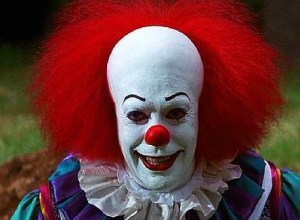
I’ve never liked clowns, but wasn’t actively afraid of them. As a kid I watched Denver Channel Two’s kids’ show, Blinky the Clown, and didn’t particularly like him. I always had the feeling he wasn’t crazy about kids. I remember his honey-dripping voice when he talked about birthdays, and he was frequently shown visiting kids in hospitals, so I’m sure he was a wonderful guy. But he was a clown. He had makeup all over his face and you couldn’t read his emotions because of it.
The clowns at the circus jumped around a lot, filling up cars, tumbling over each other like maniacs. Little prig that I was, I couldn’t figure out why what they were doing was supposed to be funny.
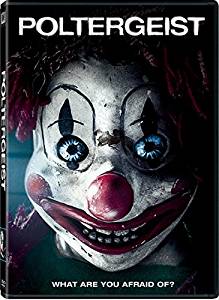
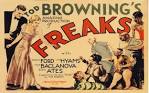
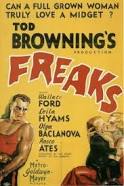
As you can probably tell from the pictures here, I underwent a change in attitude toward clowns thanks to reading/seeing some highly disturbing stories about them. And I’m not alone. Many adults dislike clowns now. Just the other day I read an alert about clowns being chased out of neighborhoods. My first response to that was, What the hell are clowns doing in neighborhoods?
For me, the drawback to clowns is the same I felt as a kid: you can’t assess their intent because they hide themselves behind makeup and costumes. Call me paranoid, but that’s a deal-breaker.
I’ve attached a link to an interesting article from The Washington Post titled “Why Clowns Creep Us Out.” Author Frank T. McAndrew, psychologist, gives plenty of reasons why those of us who are creeped out by clowns can make our cases for it. The portion about “The Phantom Clown Theory” is especially interesting.
https://www.google.com/search?q=Why+Clowns+Creep+Us+Out&ie=utf-8&oe=utf-8 Frank T. McAndrew
Have you ever noticed how few children have clown costumes for trick-or-treating? They know what they know.
To enter the amazing drawing to be held on Halloween, comment on this post. The prize will be signed copies of the Wisdom Court novels: Edge of the Shadow; A Signal Shown; All In Bad Time.
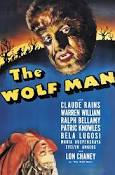 I first saw The Wolf Man as a kid, watching it on one of Denver’s TV channels, probably presented as a “Fright Night” special. The story is basic, about a man newly returned to his British home, at odds with his father, the lord of the manor. Lon Chaney, Jr., son of silent movie acting sensation, Lon Chaney, plays the son, Larry Talbot, as a sad outsider who soon falls victim to a nasty malady in the county: a werewolf bites him and thereafter he is forced to terrorize the area each month in search of blood. He searches for information–from the doctor, from the villagers, including the old Romani woman who finally tells him the truth. He is now a werewolf and there is no cure but death. His personal horror at what he’s become is what I best recalled from my early viewing of the film. He fights to avoid hurting anyone, particularly the young woman who’s interested in him. He can’t connect with his father, leaving him alone with his terrible secret. It was that existential loneliness I remembered, heightened by its being filmed in black and white. Though the special effects were low-tech, the movie continues to have an emotional impact on me to this day.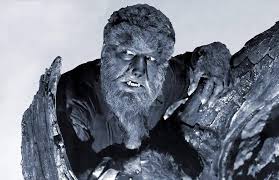
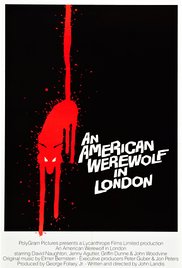 So, emotional horror as opposed to physical horror…There’s a place for both, no doubt, but I was struck, as I compared the two films, at how much more affected I was by the old black and white movie over the shiny, bloody one. I’m sure it says something about my esthetic state, but I’m damned if I know what. Both films are worth watching, especially during the month of Halloween.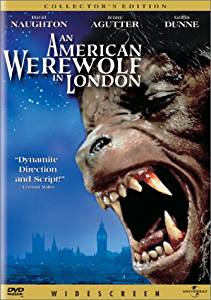



 Writer in the Garret